


01/10/2026
Wingman Security Connect Key Takeaways 2026
Read the top takeaways on our Agentic SOC and threat intelligence with Wiz and Google from our recent Wingman Security…

Published: 25/08/26

Many businesses view cyber security as an insurance policy: a cost with minimal visible upside, but catastrophic potential downside. You invest primarily to stop the worst from happening.
As someone who leads both the sales and marketing efforts for SEP2, cyber security company, I want to challenge that mindset. What if cyber security isn’t just a cost centre, but a direct driver of business growth and revenue?
In my role, I constantly analyse data on why organisations buy from us. Time and time again, I hear this phrase from growing businesses and startups:
“We need your product if we win this large contract.”
In essence, these organisations are looking to deploy MDR, vCISO, or another service solely to clear a hurdle in a tender process or pitch. I completely understand this approach. It allows finance to offset the investment against a new deal as a “cost of delivery,” while keeping overheads low without stalling the sales pipeline.
But the really interesting part is what happens next.
Once these controls are in place and the contract is won, our customers often come back with the same feedback: their effective security posture is actively helping them win more business.
Here’s why:
A few weeks ago, I had a breath of fresh air. A prospect came to us with a completely different mindset:
“We are new to the market, and our branding centres on reliability and trustworthiness. Therefore, we want to bake top-level security in from day one.”
This raises an important question: Will more growing organisations start taking this proactive approach? Or will the reality of MVPs mean most businesses only invest when there is an immediate plus sign at the bottom of a specific deal sheet?
In our commercial leadership team, we always ask: “Can we draw a direct line to revenue from this investment?”
When it comes to cyber security, I see that line clear as day.
To wrap up, I’d like to offer two challenges:
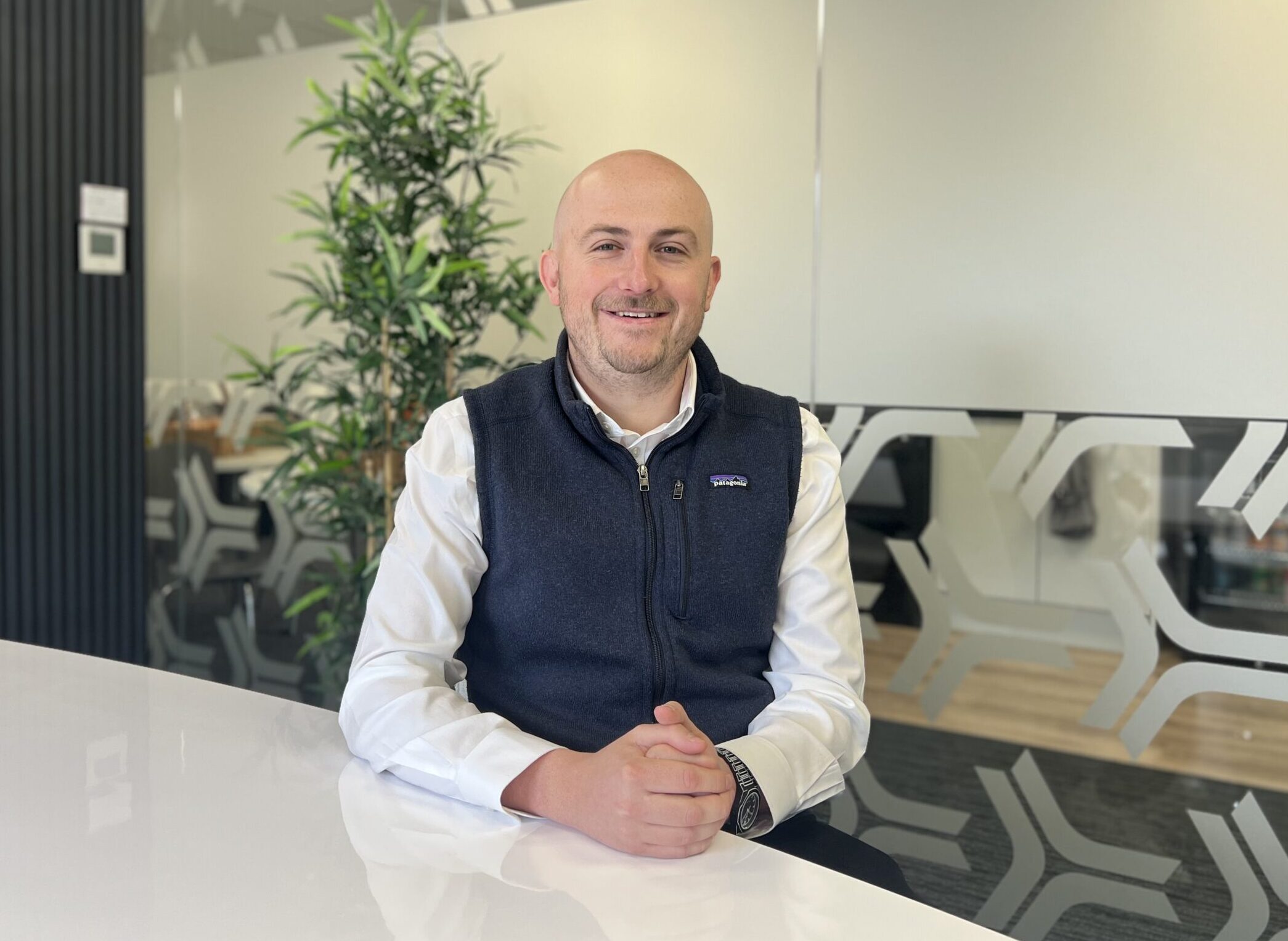
Follow Jake on LinkedIn for more insights on SEP2 services
Share this Post:



01/10/2026
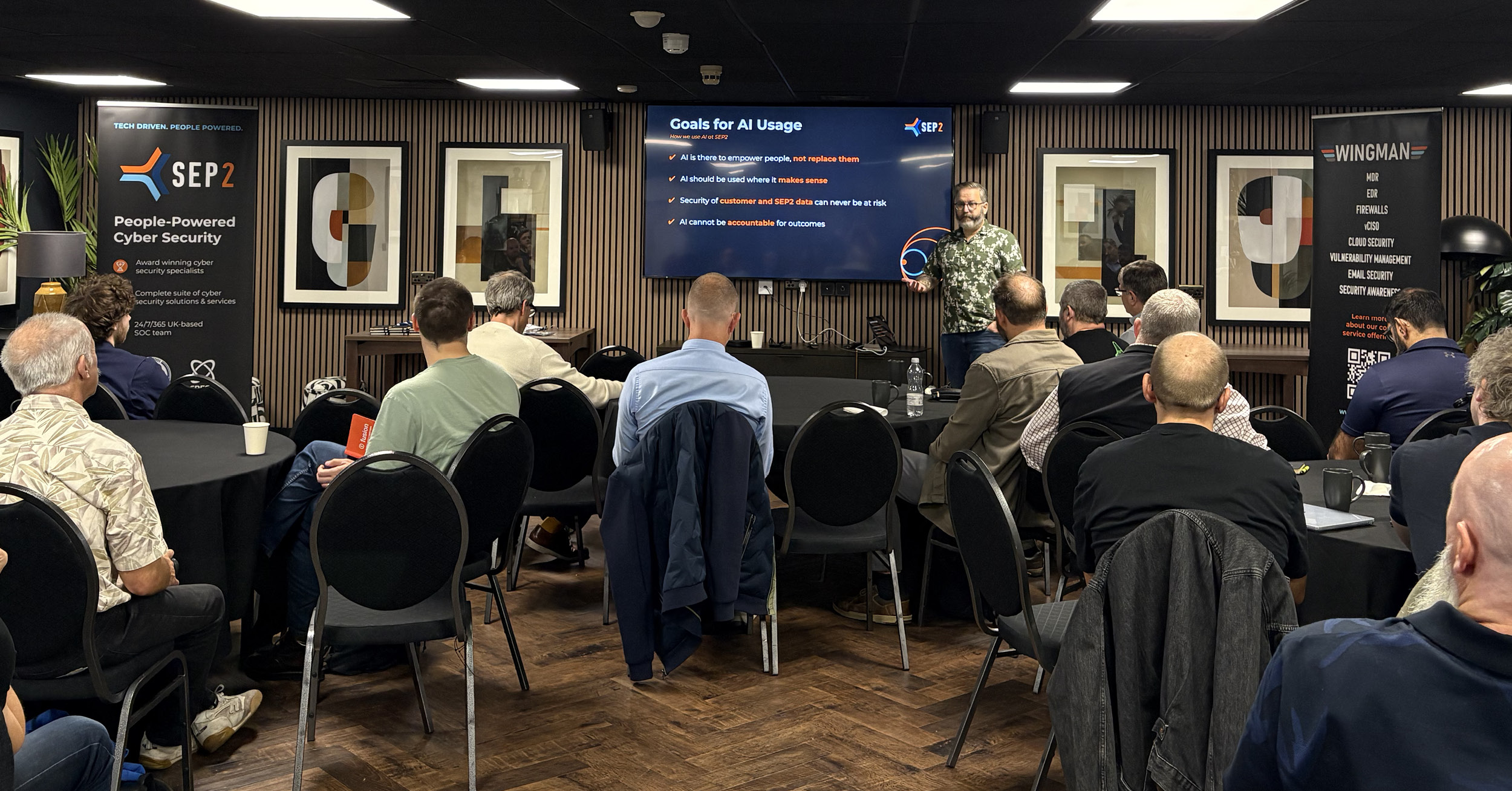
Read the top takeaways on our Agentic SOC and threat intelligence with Wiz and Google from our recent Wingman Security…

28/09/2026
AI has become ubiquitous in cyber security, and is almost an abstract buzzword. Too many vendors simply “bolt on” a…
22/09/2026
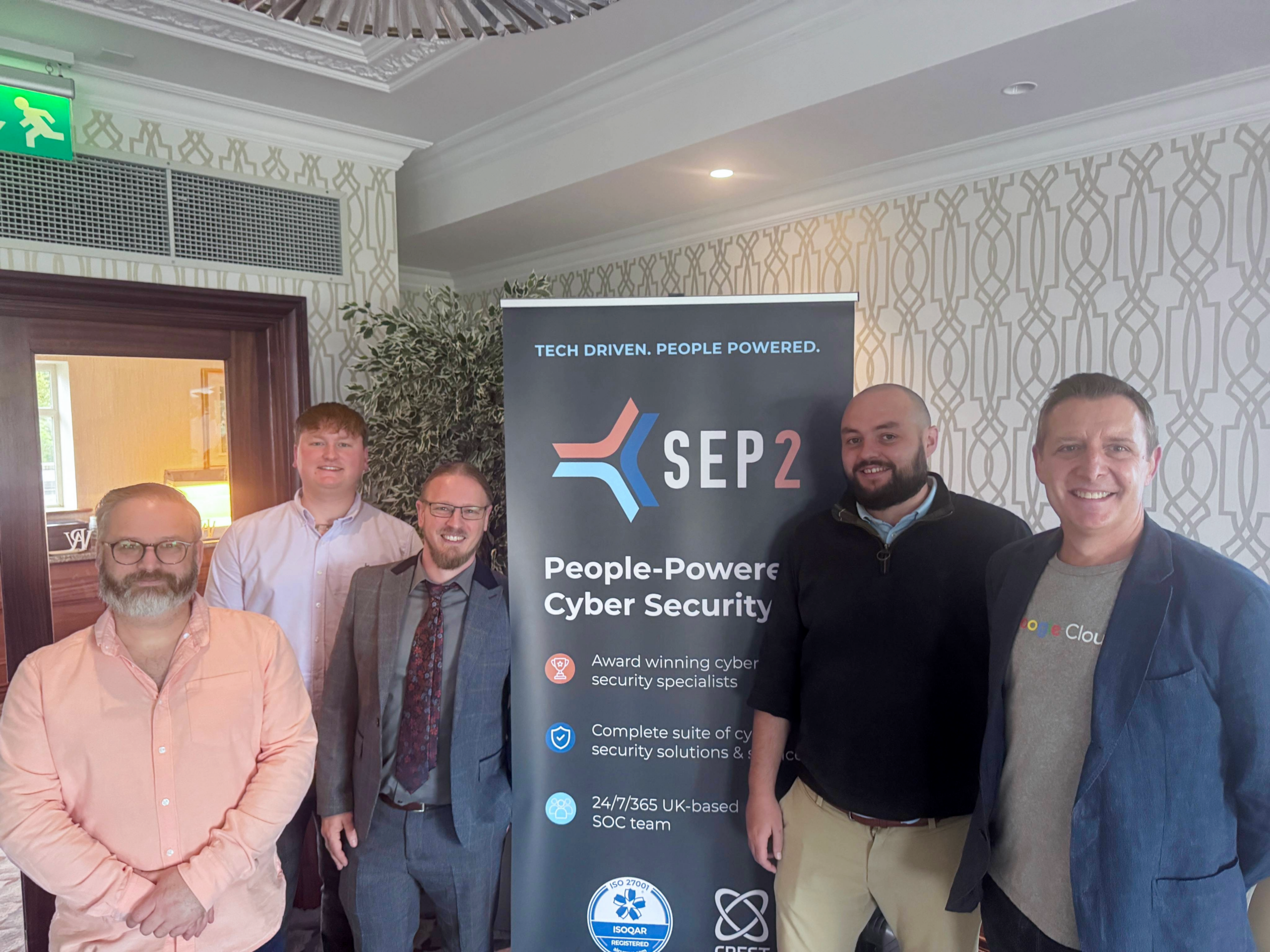
Discover insights from our session on securing AI and cloud technologies, featuring top cyber security leaders and partners.
Get the Latest
Get thoughtful, people-powered cyber insights in your inbox once a month with our Wingman Insights newsletter